


Assign Coordinators to Launch Parallel Tasks
Mark DixonCo-founder and Grade 1 Flight Instructor · Fly OzYou save time at the joins, not inside the safety checks. The change I favour is one turnaround coordinator with named owners for each workstream, so the next independent task starts as soon as its prerequisite is cleared instead of everyone waiting for a blanket 'all clear'. Cleanliness and customer tasks still have an owner, but only work that is genuinely independent and permitted by procedure runs in parallel. That is where I would look for minutes without asking anyone to rush a safety-critical job.
Use Visual Checklists to Clarify Handoffs
Clear, visual turnaround procedures make it easier for every crew to follow the same safe process. Simple checklists can show what must happen, who owns each task, and when the task should be complete. They reduce confusion during busy periods and help new workers learn faster.
Visual steps also make missed handoffs easier to spot before they create a delay. Standard work does not remove judgment, but it gives teams a dependable starting point. Create easy-to-read turnaround checklists for every gate team.
Schedule Preventive Maintenance Around Peak Demand
Preventive maintenance keeps critical ground equipment from failing during the busiest departure periods. Belt loaders, tugs, ground power units, and other tools should be inspected and serviced during quieter times. Planned maintenance is usually faster and less disruptive than repairing equipment after a breakdown.
Maintenance records can also show which assets need replacement or closer attention. Protecting peak windows helps crews start work with reliable equipment and fewer unexpected pauses. Schedule preventive maintenance around your flight demand pattern now.
Stage Gate Equipment Before Arrivals
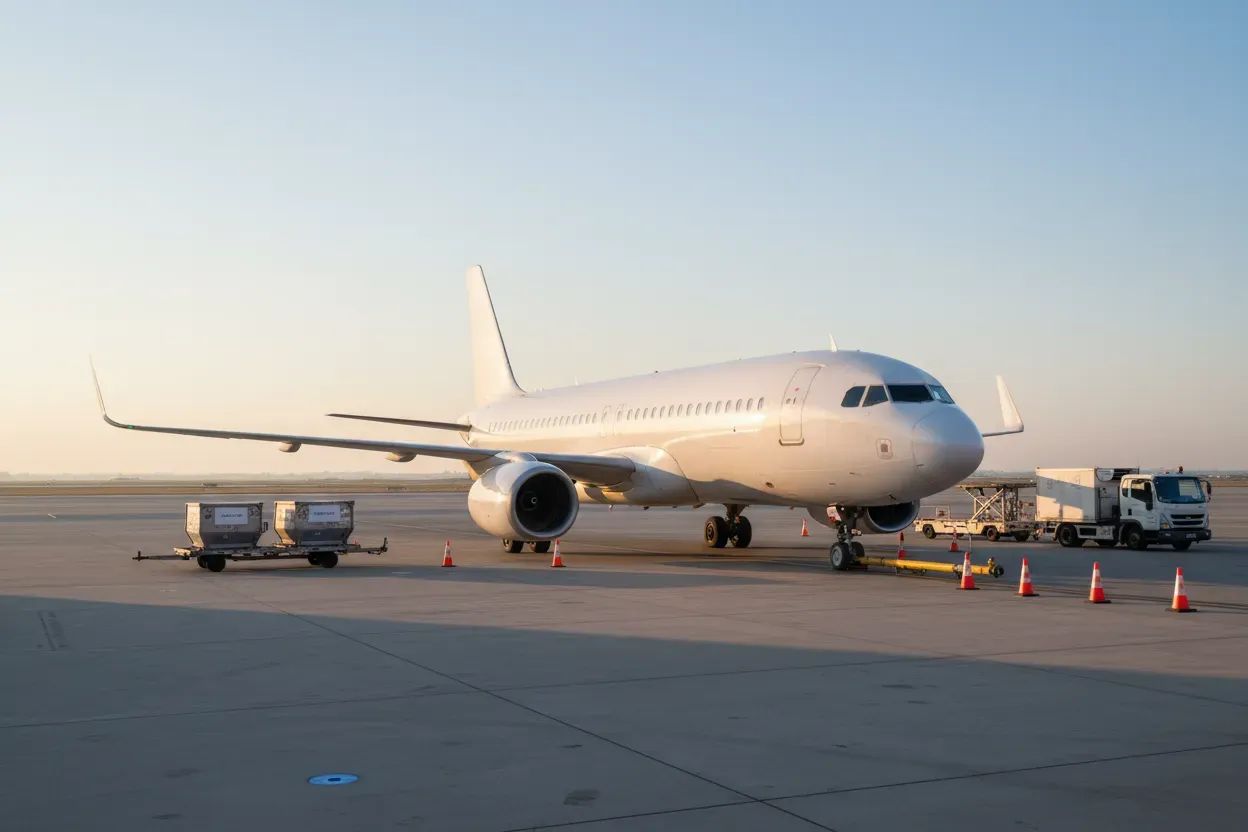
Ground equipment should be ready at the gate before the aircraft arrives whenever possible. Baggage carts, belt loaders, tugs, cleaning supplies, and catering vehicles often cause delays when they are requested too late. Arrival forecasts can guide where equipment is staged across the airport.
This cuts travel time and prevents crews from searching for tools during a tight turnaround. Equipment staging must still leave clear paths for vehicles, workers, and emergency access. Map equipment positions around expected arrivals and review the plan each shift.
Unify Live Data to Anticipate Delays
Real-time data helps ground teams see problems before they slow an aircraft turnaround. Flight arrival updates, gate changes, weather alerts, and service status can be shared through one simple operations view. Teams can then adjust staffing or call for support before baggage, fueling, cleaning, or catering falls behind.
This reduces waiting time between crews and keeps each task moving in the right order. Reliable data also helps leaders find repeat delays and fix their causes. Connect key ground systems to a live operations dashboard today.
Cross-Train Crews to Cover Gaps
Cross-training allows ground crews to support important work when staffing changes or a task falls behind. A worker trained in more than one role can help with nearby duties after completing their main assignment. This gives supervisors more options during late arrivals, absences, and sudden gate changes.
Training must include safety rules and clear limits so workers only perform tasks they are qualified to do. Flexible coverage can protect the turnaround without pushing any team to skip required steps. Build a cross-training plan that covers the most common operational gaps.