






Find the Right Gate Fast
The airline app feature that changed how I fly was real-time gate-change push notifications tied to walking directions inside the terminal, well beyond a simple gate number update.
Flying between Dubai and California regularly means long layovers in unfamiliar terminals, and a gate change used to mean squinting at an overhead board while dragging luggage in the wrong direction for a few minutes before correcting course. One airline's app started sending a notification the moment a gate changed, with a live walking route overlaid on the terminal map and an updated time estimate based on my current location in the airport.
What made it stand out compared to competitors was the specificity. Most airline apps tell you the new gate number and leave the navigation to you. This one accounted for the fact I might already be walking the wrong way and adjusted the route accordingly, the same way a good delivery app reroutes a driver.
It saved me an actual missed-gate scare exactly once, when a change happened nine minutes before boarding closed. But the bigger value was the anxiety it removed on every ordinary layover, well beyond that one close call. Good travel tech should lower stress on the boring days. Rescuing you on the bad ones is the easy part.
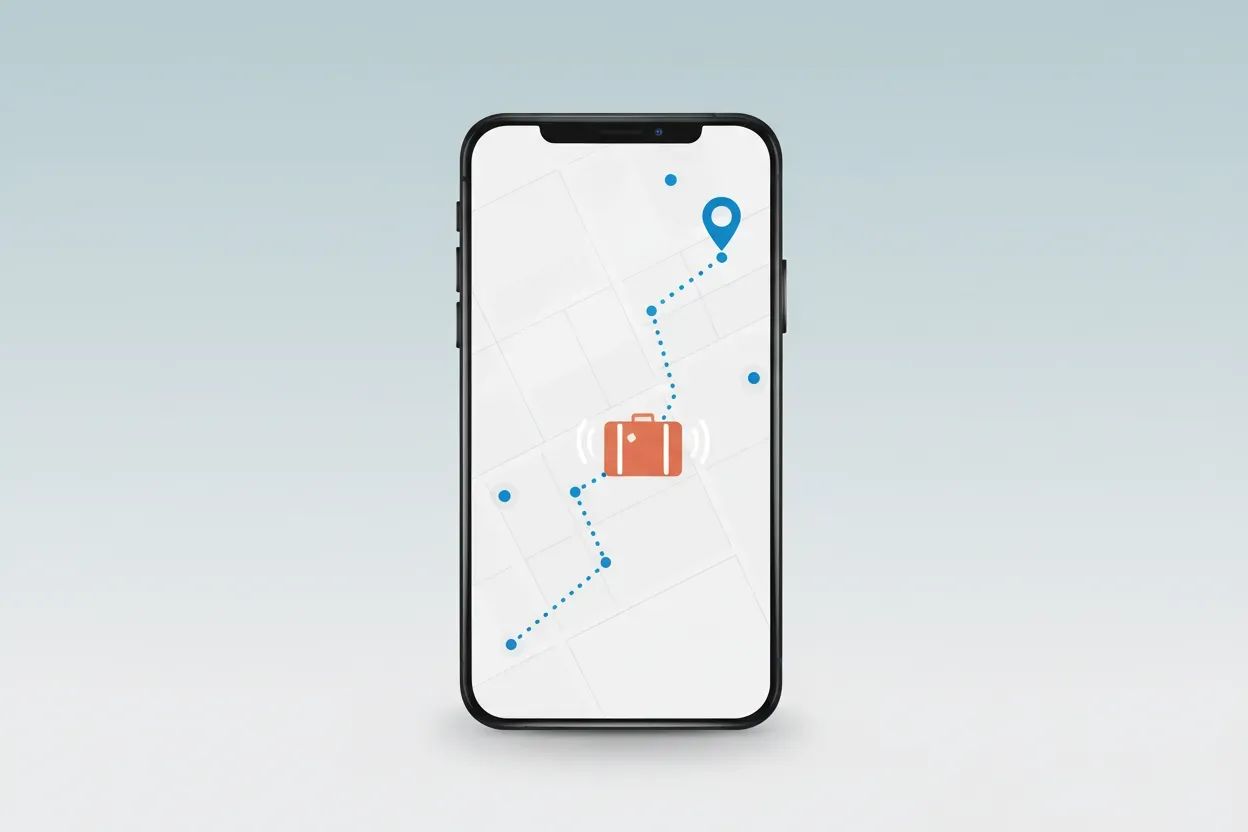
Trust Timestamped Luggage Updates
Amit AgrawalFounder & COO · Developers.devReal-time, push-based baggage tracking synchronized with live gate updates has shifted airline apps from reactive utility tools to proactive travel companions. For anyone navigating high-frequency routes across the Americas, Europe, and Asia, a timestamped log of luggage being scanned onto the aircraft directly addresses the primary source of travel anxiety: the uncertainty of arrival.
From a mobile development perspective, the objective is to eliminate the passenger's need to manually refresh status pages or scan physical monitors in a crowded terminal. The best implementations utilize persistent lock-screen notifications and live activities that update automatically when a gate changes or when a bag reaches the carousel. This level of transparency is a significant retention tool because it maintains trust even when operations are delayed.
The standout factor is the depth of data integration. Providing this level of visibility requires a seamless connection between ground operations, baggage handling systems, and the front-end interface. When an airline exposes this data, they are signaling total control over their logistics. For frequent travelers, this isn't just a convenience; it is a service differentiator that dictates which carrier gets the booking for the next long-haul business trip. True loyalty is built by reducing friction through real-time data transparency.
Rebook Instantly With Personalized Options
Runbo LiCEO · Magic Hour AIReal-time rebooking on the United app has saved me more times than I can count. Not the notification that your flight is delayed. Every airline does that. I'm talking about the moment your connection becomes mathematically impossible, and the app surfaces alternative routes before you've even processed the bad news, lets you rebook with one tap, and updates your boarding pass instantly.
Last year I was flying back from a YC event and my connection in Denver got crushed by a weather delay. Before I even landed, the United app had already offered me three alternative routes home, seat assignments included. I tapped one, walked off the plane, and went straight to my new gate. Meanwhile, the people around me were standing in a 45-minute line at the service desk, calling the 1-800 number, stressed out of their minds.
What makes it stand out is the speed of the decision loop. Most airline apps treat disruptions as a customer service problem. United treats it as a product problem. The difference is enormous. A customer service problem means you wait for a human. A product problem means software solves it before you feel the pain. That's the same philosophy we apply at Magic Hour. If a user hits friction, the product should resolve it, not a support ticket.
The other thing United nails is context. The app knows your loyalty status, your seat preferences, whether you have checked bags that need rerouting. It factors all of that in before presenting options. It's not just "here are flights," it's "here's your best move given everything we know about you."
The best technology doesn't ask you to adapt to it. It adapts to you in the moment you need it most.
Solve Disruptions in One Unified Flow
Cem OnerFounder / Finance & Public Data Publisher · Hesap CebimdeThe most valuable airline-app feature is proactive disruption management that combines the new itinerary, available alternatives and baggage status in one place.
A generic delay notification tells the passenger what went wrong but not what to do. A stronger feature shows whether the connection remains possible, allows the traveler to select an alternative and explains whether checked baggage will follow automatically.
This stands out because disruptions create several connected problems at once. Passengers should not need to move between a chatbot, airport screen, booking page and baggage desk to reconstruct the journey.
After dealing with a damaged-baggage claim that took approximately one year, I also value any feature that preserves reports, reference numbers and a visible claim timeline.
The best airline app reduces uncertainty, not merely the number of printed documents.
Keep Trip Details Visible on Lock Screen
Andres SerraTravel Expert · Optimise TravelOne thing I really like about the Fly Delta app is its Live Activities display on my phone's lock screen. It shows details like my boarding zone, seat assignment, flight updates, and baggage carousel, so I don't have to unlock my phone and dig through the app every time. This is especially helpful when I'm moving through a crowded airport with my passport, bag, and coffee in hand.
This is better than a regular push notification because the information stays visible and updates as my trip goes on. Gate-change alerts can get lost among other messages, but the live display is always easy to find. It's a small feature, but it saves me from checking my phone over and over during the busiest parts of my trip, from boarding to picking up my bags.