


Set Firm Fifteen-Minute Check-Ins
Pratik Singh RaguwanshiManager, Digital Experience · LiveHelpIndiaDuring service outages, silence is by far the biggest contributor to passenger anxiety, which is why a more effective approach to maintaining passenger trust is making the shift from reactive communications to actively being transparent.
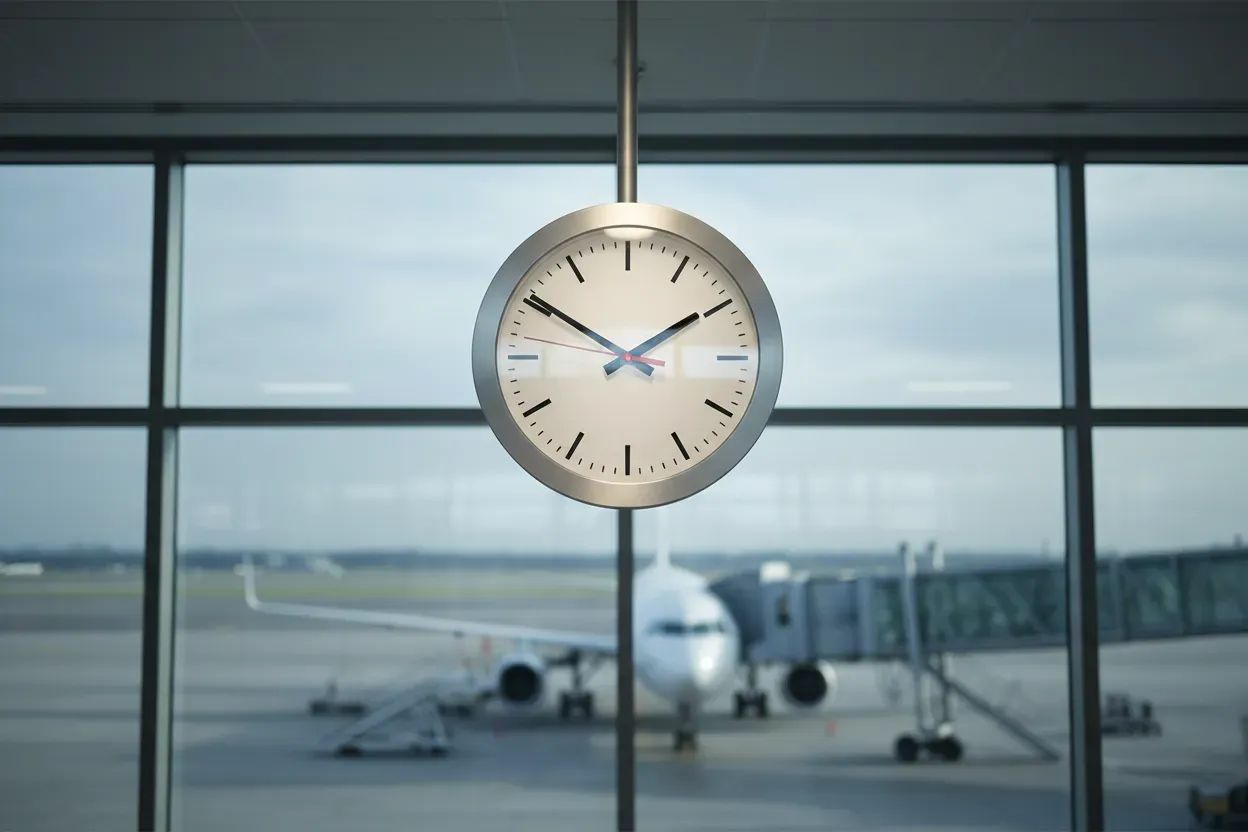
One of the guiding principles I followed while managing large-scale customer operations was to provide updates every 15 minutes regardless of whether the update was to indicate that there was no change in status or not available. Customers do not always need immediate solutions, but they do need to feel that they are not being forgotten about.
In my experience of managing support teams for global travel and telecom brands, I found that the highest level of frustration came from the time elapsed from the last communication, not from the delays themselves. When you wait an hour between communications, customers begin to create worst-case scenarios regarding what is happening with their travel. By providing a regular cadence of 15 minutes between updates, you can reset the anxiety clock.
The content of the message does not necessarily have to be complex or have an abundance of technical details. All that matters is that the message is consistent, such as you are still monitoring the situation and you will provide another update shortly. The cardinal sin in these situations is over-promising. A commitment made to set a flight depart time to placate an angry customer only guarantees a second wave of anger when that commitment comes up short.
It is much better to be upfront and honest about how much uncertainty there is in a situation, while also showing that you are actively managing through it. Customers do not build trust because of no delays occurring, but how they are treated while delays occur. Taking every customer support experience as an opportunity to define your brand changes the focus of the frustration of waiting to the focus of the quality of care received while waiting.
Give Time Windows and Next Milestone
Exact promises often fail during a live delay. A time window sets a fair frame and leaves room for unknowns. Share what needs to happen before boarding can start and give the next update time. If the window shifts, say so fast and explain why in one line.
Do not stack new promises on top of old ones that were missed. Honest words about what is not yet known build more trust than empty promises. Give a time range and promise the next update now.
Explain Cause in Plain Words
Trust grows when the cause of a delay is explained in simple words. Vague phrases and code words make people feel shut out. A short reason tied to safety or weather helps people understand the why. Avoid blame and long technical terms that raise more questions.
Use calm, direct language that a child could grasp. Repeat the reason in each update so it stays clear. Explain the cause in plain words now.
Offer Real Options Quickly
Choice reduces stress when a flight is delayed. Clear paths such as moving to a later flight, getting a meal voucher, or getting help with bags show respect for time. Each option should include simple steps and a link or a place to go. Staff should be ready to act, not just point to a phone line.
Digital tools should match what agents can do at the gate. Small wins like removing change fees can turn anger into relief. Offer these choices clearly and quickly now.
Apologize Clearly Then Own Impact
Real empathy starts with naming the harm. A short, plain apology that admits the delay hurts schedules and plans shows care. People do not want excuses; they want to feel seen. Avoid defensive lines that shift blame to others.
Follow the apology with help that eases the wait. Keep the tone warm and human in every channel. Speak with care and own the delay now.
Unify Channels With One Source
Mixed messages break trust faster than a late plane. Passengers need the same update in the app, at the gate, and in email. One main update should feed all channels at the same time. Time stamps on every note help people judge freshness.
Staff should confirm they see the same time and reason that customers see. This stops rumor and panic in the lounge. Sync all channels and speak with one voice now.