




Acknowledge Concerns and Show Results
Runbo LiCEO · Magic Hour AII'm Runbo Li, co-founder and CEO of Magic Hour. The single biggest thing aviation teams get right is making the act of reporting feel rewarded, not punished. They built systems like NASA's Aviation Safety Reporting System where you can flag a near-miss and actually receive immunity from disciplinary action if you report within ten days. That one design choice changed everything. It told people: the information matters more than the blame.
At Magic Hour, David and I are a two-person team building a platform with millions of users. That means if something breaks or feels off, there's no bureaucratic layer to absorb the signal. Every concern hits us directly. Early on, a power user flagged something subtle in our rendering pipeline. The output wasn't wrong, just slightly inconsistent across templates. It would've been easy to dismiss because no one else had complained. Instead, I responded within an hour, thanked them specifically for the detail they included, and told them exactly what we changed because of it. Two weeks later, that same user sent us three more reports, each one more detailed than the last. They became one of our best unpaid QA testers.
That interaction taught me the real lesson: trust isn't built by saying "we're open to feedback." It's built by what happens in the 60 minutes after someone sticks their neck out. Aviation calls this "closing the loop." When a pilot files a report and never hears what changed, they stop filing. When they see the system update, they report more. The loop is the trust.
The principle scales to any team. If you want people to raise small concerns before they snowball, you need three things: speed of acknowledgment, zero retaliation even when the concern turns out to be nothing, and visible proof that the report led to action. Skip any one of those and the pipeline of early warnings dries up fast.
People don't stay quiet because they don't care. They stay quiet because the last time someone spoke up, nothing happened.
Resolve Unclear Checklist Steps
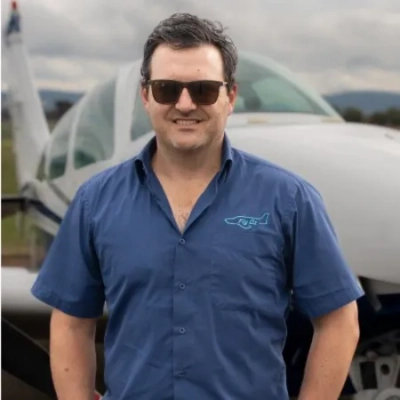
Mark DixonCo-founder and Grade 1 Flight Instructor · Fly OzAn unclear checklist step deserves attention before it causes an incident. I would ask the person who raised it to show me exactly where the ambiguity lies. Then the authorised owner can assess the procedure and explain the decision before its next use. Even when nothing changes, that follow-up shows people their reports are taken seriously.
Notify All Agencies at Once
I come at this from the alerting side, so I can speak to what happens after someone raises an alert. At airports that still use older crash phone systems, the call is sequential: each party dials in before the message goes out, and airport operations can end up hearing about an incident from a separate radio call.
Our Aircraft Emergency System alerts all the relevant agencies at the same time, and it can extend to mutual aid fire stations off the airport property. No one has to work through a call chain before the right people know. We also design the controller interface for the dark, low-light screens common in tower cabs.
Westnet's published case material on its 2020 deployment at Eglin Air Force Base reports response times falling from 3 to 5 minutes on the legacy crash phone to under 2 minutes.
Model Candor After Mistakes
Leaders build trust when they openly admit errors and explain what they learned. This behavior shows that safety reporting is meant to improve work, not to shame people. When managers hide mistakes, employees may believe that honesty is unsafe.
When managers discuss lessons from their own errors, they make it easier for others to report concerns early. Clear and calm responses from leaders can turn a mistake into useful safety knowledge. Encourage leaders to share learning moments in every safety meeting.
Offer Anonymous Channels for Disclosure
Anonymous reporting channels help aviation workers speak up when they fear blame or punishment. A pilot, mechanic, or dispatcher may notice a risk but stay silent if a report could affect a job or reputation. Removing names from the first report lets the safety team focus on the event instead of the person.
These channels also help reveal patterns that might otherwise remain hidden. Trust grows when employees see that anonymous reports lead to fair review and real improvements. Make anonymous reporting easy to find and simple to use.
Ensure Impartial Review
Independent review helps employees trust that safety reports will receive a fair assessment. A report should not be judged only by someone who has a personal stake in the outcome. An outside safety group or a separate internal team can examine facts without pressure to protect a department or person.
This approach makes it less likely that serious concerns will be ignored or minimized. It also gives reporters confidence that the findings are based on evidence. Use independent reviewers for reports involving major risks or possible conflicts.
Safeguard Reporter Privacy
Confidentiality safeguards protect the identity and private details of people who raise safety concerns. This is especially important when a report involves a coworker, a supervisor, or a sensitive event. Workers are more likely to give full and accurate information when they know it will not be widely shared.
Safety teams should explain who can see reports and how information is stored. They should also limit access to only the people who need the details to address the risk. Review confidentiality rules often and explain them in plain language.
Equip Teams to Flag Hazards
Regular training helps aviation teams understand how and when to report safety concerns. Employees need to know that reporting includes small hazards, near misses, and confusing procedures, not only major events. Training can explain the protections available to reporters and the steps that follow a report.
Simple practice examples help workers feel more prepared to act during a real situation. Repeated training also reminds supervisors to respond with respect and attention. Include safety reporting practice in ongoing team training.