


MD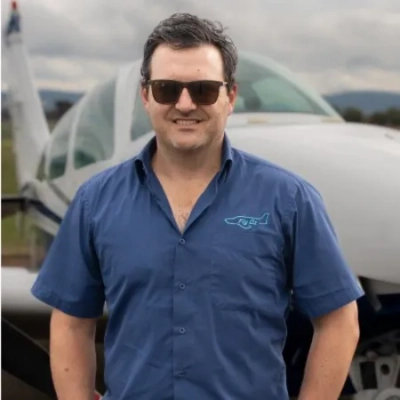
1 on the crew listQ&AQA 0720
Aviation safety depends on how well pilots handle unexpected emergencies, yet most training programs focus on the wrong scenarios. This article examines how airlines can redesign their rare-event training to build skills that actually transfer to real cockpit situations, with analysis from experienced flight training professionals. The key lies in understanding which decision points matter most when seconds count.
Mark DixonCo-founder and Grade 1 Flight Instructor · Fly OzIn pilot training, I would choose rare but high-impact scenarios by asking two questions: how serious is the consequence if this goes wrong, and how likely is the person to recognise it early enough under pressure? The highest value scenarios are not always the most dramatic ones. They are the ones where the first small decision changes everything that follows.
For a flight training operation, that means putting emphasis on scenarios such as deteriorating weather, engine issues, radio or navigation errors, student confidence dropping at the wrong moment, and situations where the safest decision is to stop, divert or delay rather than push on. The goal is not to scare people. It is to make the correct behaviour feel familiar before the real day arrives.
One training update that makes a difference is moving from simply discussing emergencies to asking students to work through realistic decision points. What do you notice first? What do you say? Who needs to know? What is the safest next action? When students practise the decision, not just the checklist, you see better on-the-day behaviour because they are calmer, earlier and clearer when something changes.
Rare-event training should be chosen by what almost went wrong, not by what sounds dramatic. Use near-miss data from flight data, tower alerts, and safety reports to rank the biggest gaps. Turn those patterns into simulator cases that match phase of flight, airport, and crew mix.
Weight events by exposure and harm so that high-risk, frequent weak signals get first place. After each cycle, feed results back into the data model to see if the risk moved. Build a simple dashboard and start your next training plan with the top near-miss clusters today.
Single failures are rare, but chains of small problems can build fast. Training should create a cascade, like a sensor fault that leads to bad data and then a drift from the plan. Branch the scenario so each crew choice triggers new states that test judgment and workload control.
Build safe pauses that let crews reset and try again without losing learning. Track crew resource use, time pressure, and decision quality rather than only manual flying skill. Design your next sim block with a realistic chain that rewards early detection and calm action.
An adversarial design team can reveal weaknesses that routine checks miss. This team should act like a clever opponent and change the situation in response to crew moves. The goal is not to trick for sport, but to probe standard procedures and show how they can be closed.
Keep clear rules, fair grading, and strong debriefs so trust stays high. Turn new findings into quick updates to guides, checklists, and memory aids. Stand up a small red team this quarter and task it with one high-value scenario per fleet.
Rare risks differ by route, terrain, season, and local rules. A mountain approach in winter, a hot day at a short field, or a long ocean leg each call for a different plan. Use local weather files, air traffic habits, and past events on that route to shape the case.
Pair crews who fly those lines with instructors who know the local traps and fixes. Refresh alternates, fuel plans, and divert choices based on what the route can really support. Work with dispatch and base leaders now to build route packs that go straight into sim design.
Many real events start when automation behaves in a way the crew did not expect. Training should stage mode changes, reversions, and hidden logic that create confusion at busy moments. Measure how fast crews notice the mismatch, say it out loud, and pick a safe path.
Include simple talk-back habits and mode cross-checks so that the team shares the same picture. Debriefs should replay guidance and thrust modes to close gaps in mental models. Schedule a focused block on mode awareness and surprise recovery in the next recurrent cycle.
Manifest
Aviation News, Airline Trends & Expertise
Airlines and Aviation is the new digital destination for aviation professionals, enthusiasts, and anyone seeking to understand the intricacies of the airline industry.
About Airlines & Aviation →